Key Takeaways:
A Norwegian rorbu cabin is a historic seaside timber dwelling built on wooden stilts, originally constructed to shelter seasonal cod fishermen in coastal regions like Lofoten.
- Etymology: The word comes from ror (to row) and bu (small house), originally housing fishermen operating open rowing or sailing boats.
- Historical origin: King Øystein Magnusson ordered the first official rorbuer built in Kabelvåg around 1120 AD.
- Modern rental costs: Tourist rentals in the Lofoten region range from 800 NOK to 3,000 NOK per night depending on season and luxury tier.
- Amenity upgrade: Modern cabins include electric heating, private bathrooms, Wi-Fi, and kitchens, unlike historic shelters that lacked running water and electricity.
What is a traditional rorbu fishing cabin in Norway?
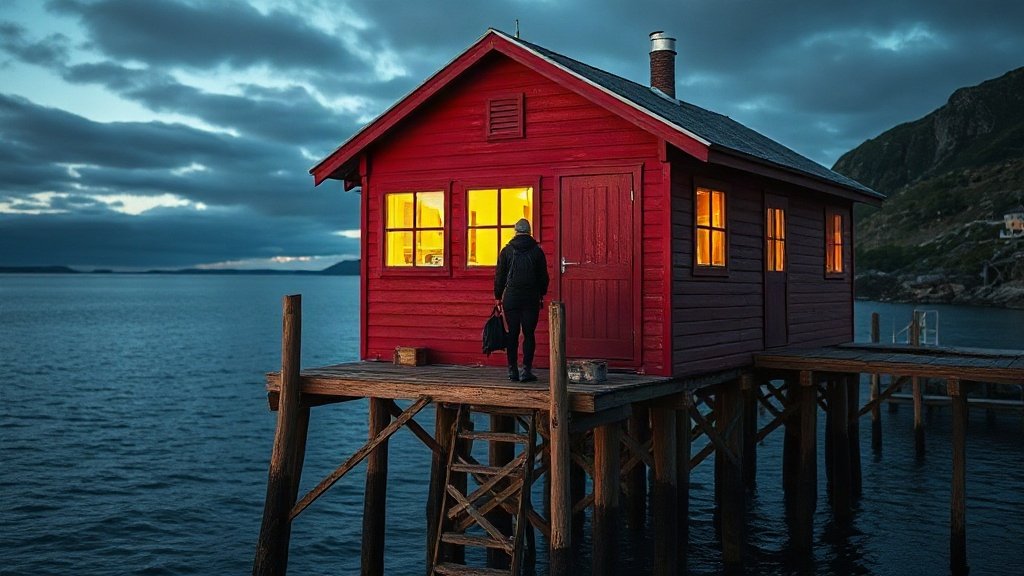
A traditional Norwegian rorbu cabin is a coastal timber dwelling built half on land and half over the sea on wooden stilts, designed specifically for seasonal cod fishermen. Originating in Northern Norway, these iconic structures allowed crews to moor open rowing or sailing boats directly beneath their living quarters for fast ocean access during harsh winter fishing seasons.
The term stems directly from Norwegian maritime culture. According to Visit Norway, the name derives from ror (meaning to row) and bu (meaning a small house or dwelling). Historically, these buildings served purely as utilitarian working shelters for visiting crews rather than permanent family residences.
The history and architectural design of the rorbu
The documented history of the rorbu dates back nearly a millennium. According to historical records from Museum Nord, King Øystein Magnusson ordered the construction of the first official rorbuer in Kabelvåg around 1120 AD to provide basic winter shelter for seasonal cod fishermen traveling to the Lofoten archipelago.
Architecturally, early rorbuer were built out over the shoreline on sturdy wooden poles. This design allowed boats to dock directly alongside the cabin regardless of tidal changes. The exterior was traditionally painted red or ocher using cheap, locally mixed paint made from fish oil and earth minerals. This practical, low-cost coating clearly distinguished the working-class fishing cabins from white-painted estate manor houses owned by wealthy merchants.
Inside, historical rorbuer were intentionally spartan. Data from Museum Nord shows that early cabins were built to shelter 8 to 16 fishermen per cabin during the cold winter cod season. The internal layout was divided into two distinct sections:
- Living and sleeping space: A single heated room where the entire crew slept in shared wooden bunks and prepared basic meals.
- Storage room (bua/skjå): A unheated utility room used to store fishing tackle, nets, bait, salt, and heavy tools.
How rorbuer transformed into modern tourist accommodation
The functional purpose of the rorbu underwent a permanent shift during the mid-20th century. Starting around the 1960s, commercial fishermen upgraded to larger motorized vessels equipped with onboard sleeping quarters, rendering traditional shoreline shelters obsolete for commercial fleets.
Rather than letting the historic structures deteriorate, local communities restored them into boutique coastal accommodation. Today, preserved historic cabins stand alongside newly built modern replicas designed in the traditional architectural style. Modern rorbuer preserve their exterior red timber facades while offering full residential comfort inside.
| Feature category | Historic rorbu (pre-1960s) | Modern tourist rorbu |
|---|---|---|
| Primary purpose | Seasonal shelter for cod fishermen | Leisure and tourist accommodation |
| Occupancy density | 8 to 16 fishermen per cabin | 1 to 6 leisure guests |
| Heating & power | Wood stoves; zero electricity | Electric heating and high-speed Wi-Fi |
| Sanitation & water | No running water or indoor toilets | Private tiled bathrooms with hot showers |
| Cooking facilities | Basic open hearth or stove | Fully equipped modern kitchens |
| Nightly rental price | N/A (seasonal seasonal crew housing) | 800 NOK to 3,000 NOK per night |
What to expect when renting a rorbu cabin today
Staying in a modern rorbu offers an authentic taste of coastal Norwegian heritage without sacrificing modern convenience. Contemporary rorbuer come equipped with fully fitted kitchens, private bathrooms, electric heating, and Wi-Fi access. Many units also feature waterfront decks directly above the tide line, offering unobstructed views of icy fjords and steep mountain peaks.
Nightly rental rates for modern rorbu tourist accommodation in the Lofoten region generally range from 800 NOK to 3,000 NOK per night. Budget-conscious travel during the quiet shoulder seasons yields rates near the bottom of that scale for traditional rustic cabins, while premium sea-facing units during peak winter light or summer midnight sun seasons sit near the higher end of the range.
Frequently asked questions about rorbu cabins
Why are traditional Norwegian rorbu cabins painted red?
Historically, red paint was the cheapest coating available to local fishermen. It was made by mixing low-cost fish oil with earth minerals, distinguishing practical working-class shelters from high-status white manor houses.
Where can you find rorbu cabins in Norway?
Rorbu cabins are predominantly found along the coastline of Northern Norway, with the highest concentration located throughout the Lofoten archipelago and surrounding coastal fishing villages.
How much does it cost to rent a rorbu cabin?
Modern rorbu rentals in the Lofoten area typically cost between 800 NOK and 3,000 NOK per night, depending on the season, modern luxury amenities, and precise waterfront location.