Key Takeaways:
Buying a local SIM card at the airport is usually a bad idea, as arrivals kiosks charge markups between 30% and 70% over city rates.
- Extreme markups: Istanbul Airport tourist packages cost up to $70 USD (3,200 TRY), representing a 50% to 70% price premium over city stores.
- Better city alternatives: Paris CDG airport SIMs cost €39.90 EUR, whereas city-center prepaid plans start at just €4.99 EUR to €10.99 EUR.
- Hidden upsells: Dubai’s complimentary 1 GB arrival SIM expires in 24 hours, forcing upgrades that cost up to $81 USD (299 AED).
- eSIM savings: According to Juniper Research, travelers save an average of $47 USD per trip by switching to travel eSIMs over airport kiosks.
Why airport SIM cards are a direct hit to your travel budget
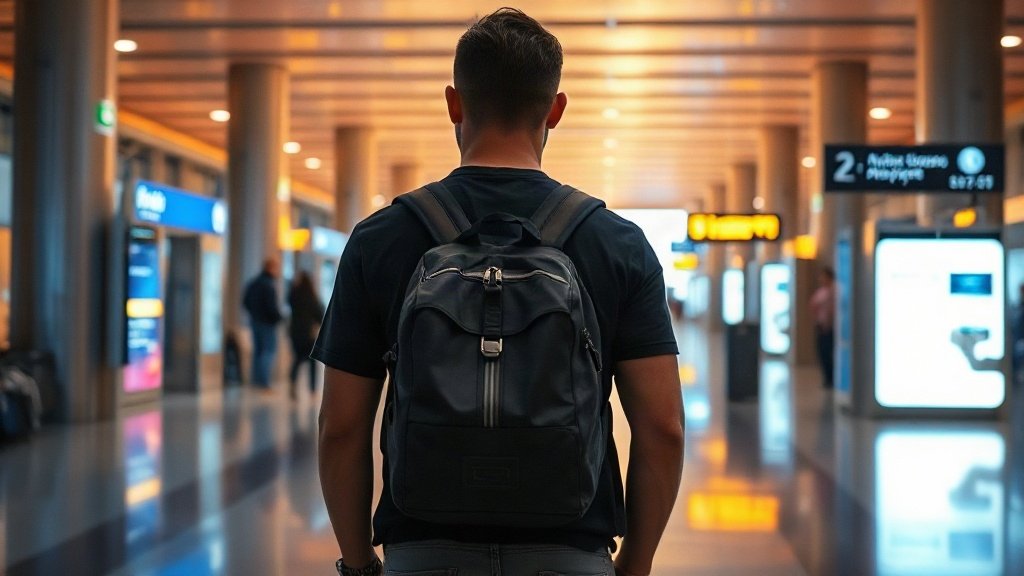
Buying a physical SIM card at an airport arrivals terminal is one of the most common convenience traps in modern travel. Exhausted after a long-haul flight, travelers flock to glowing carrier counters in search of immediate connectivity. Kiosk vendors capitalize on this vulnerability by pushing overpriced “tourist packages” loaded with unneeded international calling minutes or inflated data caps.
The price inflation is not marginal—it is substantial. In destination after destination, airport vendors charge up to double or triple the rate of identical plans sold just a few train stops away. Across major European and Asian terminals, airport SIM card kiosks in Spain impose a price markup of 30% to 50% compared to official carrier online and city-center rates. You are paying a steep premium simply to get connected ten minutes faster.
The real markup breakdown across major global hubs
Airport connectivity vendors rely on low competition and high foot traffic. When you land, choices are often limited to two or three branded booths or newsagents like WHSmith and Relay, which bundle SIM cards into pre-packaged tourist offers at inflated prices.
Consider the stark price differences documented across major international gateways:
| Destination Airport | Airport Kiosk Price | City-Center / Local Price | Price Markup (%) |
|---|---|---|---|
| Istanbul Airport (IST) | 3,200 TRY ($70 USD) | 1,000 TRY – 1,600 TRY ($22 – $35 USD) | 50% to 70% |
| Paris Charles de Gaulle (CDG) | €39.90 EUR – €39.99 EUR | €4.99 EUR – €10.99 EUR | 260% to 700% |
| London Heathrow (LHR) | £25 GBP – £30 GBP | £10 GBP – £15 GBP | 100% to 150% |
| Bangkok Suvarnabhumi (BKK) | ฿999 THB – ฿1,199 THB ($32 – $38 USD) | ฿349 THB – ฿450 THB ($11 – $14 USD) | 120% to 180% |
At Istanbul Airport (IST), Turkcell tourist SIM packages cost up to 3,200 TRY ($70 USD), representing a 50% to 70% markup over city-center official stores. In Paris, Orange Holiday and Bouygues Telecom tourist SIM cards sold at Paris Charles de Gaulle Airport (CDG) Relay newsstands cost €39.90 EUR to €39.99 EUR. Meanwhile, local city-center prepaid data packages from carriers like Free Mobile, Orange, and Bouygues start at just €4.99 EUR to €10.99 EUR.
In the United Kingdom, prepaid physical SIM cards sold at London Heathrow Airport (LHR) via WHSmith and Sim Local kiosks cost £25 GBP to £30 GBP, compared to high-street or supermarket pay-as-you-go options starting at £10 GBP to £15 GBP through networks like EE. Similarly, AIS and TrueMove H 30-day tourist SIM packages sold at Bangkok Suvarnabhumi Airport (BKK) cost ฿999 THB to ฿1,199 THB ($32 USD to $38 USD), compared to city-center and 7-Eleven packages starting around ฿349 THB to ฿450 THB.
The “free” SIM trap and registration headaches
Some airports entice arriving passengers with complimentary SIM offers that turn out to be clever upsells. For example, complementary tourist SIM cards issued at Dubai International Airport (DXB) immigration by du and Etisalat UAE contain only 1 GB of data valid for 24 hours. Once that initial gigabyte expires, paid 7-day and 14-day upgrades cost 199 AED ($54 USD) and 299 AED ($81 USD) respectively—significantly higher than standard local prepaid tariffs.
In addition to financial markups, physical airport SIM purchases involve lengthy activation queues and stringent regulatory processing. Thai regulations enforced by the National Broadcasting and Telecommunications Commission require mandatory passport scanning and biometric facial recognition checks for all physical SIM card activations at airport arrivals. Standing in line after a 12-hour flight while staff capture facial scans and input passport details wastes valuable travel time.
When is buying a local SIM at the airport actually worth it?
Despite the high costs, buying an airport SIM card is not always a complete error. If you are arriving late at night in a destination where late-night transport requires immediate app-based ridesharing, having active cellular data right at the terminal can prevent safety risks or transport delays.
Furthermore, certain hubs offer reasonable value. Standard tourist SIM plans at Singapore Changi Airport (SIN) through Singtel and StarHub start at $12 SGD ($9 USD) for 14 days and scale up to $50 SGD ($38 USD) for 28-day 5G packages. These rates align closely with local retail prices, making Singapore one of the few places where airport SIM purchases remain fair and practical.
Smart digital alternatives to save time and money
To avoid arrival markups and administrative hassles, modern travelers should rely on digital eSIMs or wait until reaching the city center. Installing a travel eSIM prior to departure allows your phone to connect to local networks the moment your flight lands, eliminating queue times entirely.
Data from Juniper Research shows that international travelers save an average of $47 USD per trip by using travel eSIM alternatives over physical airport SIM card markups and traditional carrier roaming fees. If your smartphone does not support eSIM technology, downloading offline maps and using airport Wi-Fi to navigate to a downtown carrier store or convenience shop will yield identical connectivity at a fraction of the cost.
Frequently Asked Questions
Is it a bad idea to buy a local SIM card at the airport?
Yes, in most cases it is a bad idea. Airport kiosks routinely mark up SIM packages by 30% to 70% compared to city-center retail shops. Buying in town or downloading an eSIM before you travel saves substantial money and avoids long queue times at arrivals terminals.
How much money do travelers save by avoiding airport SIM card kiosks?
According to a 2025 study by Juniper Research, international travelers save an average of $47 USD per trip by choosing travel eSIM alternatives over physical airport SIM card markups and traditional carrier roaming fees. City-center retail stores also offer data packages for a fraction of airport rates.
Do all airports charge inflated prices for local tourist SIM cards?
While most major hubs impose heavy markups, some offer fair rates. For example, standard tourist SIM packages at Singapore Changi Airport start at $12 SGD ($9 USD) for 14 days, providing reasonable value that closely matches standard city-center pricing.