Key Takeaways:
Luxury hotels in Reykjavík are rarely worth the premium pricing in winter, as low seasonal occupancy and dark, brief daylight hours drastically reduce their practical value.
- Plunging demand: Capital region hotel occupancy dropped to 56.2% in January 2026, according to Statistics Iceland, making high hotel rates hard to justify.
- Hidden daily fees: Surcharges like the 7,000 ISK destination fee and 6,300 ISK breakfast fee at properties like The Reykjavik EDITION add thousands to standard bills.
- Limited daylight: Winter solstice brings just 4 hours and 7 minutes of daylight in December, meaning guests spend most waking hours in transit or pitch darkness.
Why luxury rates fall flat during Icelandic winters
Luxury hotels in Reykjavík charge summer-level rates during months when local demand plummets. While standard luxury hospitality relies on exclusive amenities, high-end concierge services, and lavish outdoor spaces, the realities of sub-zero coastal weather render many of these perks unusable.
Data from Statistics Iceland reveals that total foreign overnight stays in Icelandic hotels decreased by 17.7% year-over-year to 2,751,399 nights. Furthermore, the lowest monthly volume of foreign overnight stays occurred in January with just 248,842 nights, compared to a summer peak of 593,254 nights in July. Despite this massive drop in visitor volume, premium hotel room rates remain inflated, offering poor return on investment for winter travelers.
Occupancy rates reveal a buyer’s market
High prices are usually justified by scarcity, but Reykjavík faces no lodging shortage during the winter season. According to Statistics Iceland, hotel room occupancy in the Capital region reached 69.4% in November 2025, falling to 57.7% in December 2025, and bottoming out at 56.2% in January 2026. This sits well below the national annual average hotel occupancy rate of 64.3%.
When nearly half of the hotel rooms in the capital sit empty, paying top-tier pricing for 5-star brand recognition is unnecessary. Standard 3-star and 4-star properties offer clean, warm, central rooms at a fraction of the cost without compromising comfort.
The hidden cost of luxury hotel add-ons
Base room rates at flagship luxury properties tell only half the story. Additional surcharges and service fees quickly inflate a night’s stay far beyond expectations, especially when compared to average foreign tourist spending in Iceland, which stands at 77,000 ISK per night according to Statistics Iceland.
At prominent waterfront hotels like The Reykjavik EDITION, mandatory daily resort-style fees and essential services add substantial overhead. Mandatory government levies, such as the national accommodation lodging tax rate of 800 ISK per room per night set by Skatturinn, apply to all lodgings, but hotel-specific fees create a major pricing gap.
| Expense Category | Luxury Property Standard Fee | Alternative / Standard Cost | Source / Authority |
|---|---|---|---|
| Lodging Tax (per room/night) | 800 ISK | 800 ISK | Skatturinn (2025) |
| Destination Fee (per room/night) | 7,000 ISK | 0 ISK | The Reykjavik EDITION (2026) |
| Covered Self-Parking (per night) | 6,800 ISK | 0–2,000 ISK | The Reykjavik EDITION (2026) |
| Valet Parking (per day) | 7,000 ISK | N/A | The Reykjavik EDITION (2026) |
| Cooked Breakfast (per adult) | 6,300 ISK | 2,000–3,500 ISK | The Reykjavik EDITION (2026) |
Paying 6,300 ISK for breakfast per adult at a luxury dining room makes little economic sense when local bakeries across central Reykjavík serve traditional pastries and fresh coffee for a fraction of that figure.
Location disadvantages and dark winter hours
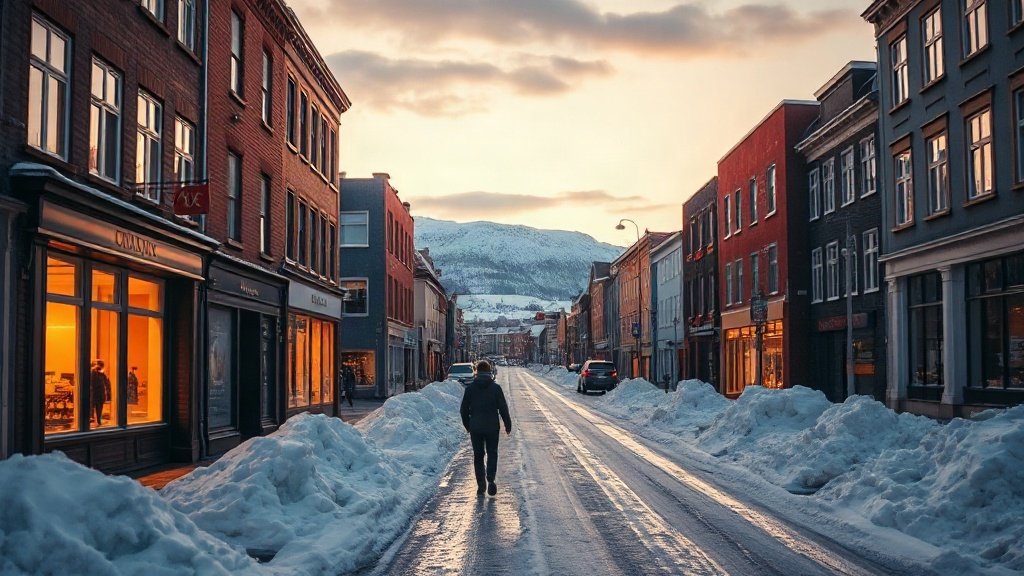
Winter in Iceland is defined by extreme light conditions. Figures from Time and Date show that the minimum daily daylight duration in Reykjavík around the winter solstice in December is just 4 hours and 7 minutes. Temperatures mirror this harsh climate; the Icelandic Meteorological Office records average daily highs of just 2°C in December and 0°C in January.
Because daylight is sparse, winter visitors spend most of their limited light hours outside the city exploring countryside glaciers and waterfalls. Paying premium rates for a room you only see in pitch black offers minimal practical benefit.
Additionally, viewing the Northern Lights directly from luxury harbor hotel rooftops is frequently hindered by city ambient lighting. Travelers hoping for clear Kp-index views usually need to leave urban light zones entirely. Harborfront hotel glass facades offer nice views in July, but in January, severe sea winds often make balconies unusable.
Transportation costs from Keflavík to the city
Getting to downtown luxury properties introduces further expenses. Keflavík International Airport sits 50 kilometers from central Reykjavík according to Isavia. If you opt for private transport, a fixed taxi rate between Keflavík Airport and central Reykjavík for a standard 1–4 passenger vehicle costs 22,500 ISK with Hreyfill Taxi or 22,000 ISK with A-Stöðin Airport Taxi.
By contrast, taking the Flybus airport transfer costs between 3,500 ISK and 4,500 ISK per person. For those renting a vehicle to drive themselves, the Icelandic Transport Authority levies a per-kilometer road charge for rental passenger vehicles of 6.95 ISK per kilometer, which adds up across rural day trips.
When luxury in Reykjavík actually makes sense
To be fair, high-end properties do offer distinct advantages for specific travelers. If high-end indoor thermal spas, fine dining on-site, and full service concierge assistance are your priority, properties like The Reykjavik EDITION offer polished international standards.
However, for active travelers whose primary goals are chasing atmospheric winter light, exploring ice caves, and viewing aurora displays, spending luxury dollars on an urban hotel room yields diminishing returns. Redirecting that budget toward private super-jeep tours, high-grade winter gear, or regional geothermal baths offers a far richer Icelandic travel experience.
Frequently asked questions
Are luxury hotels in Reykjavík worth it during the winter?
Luxury hotels in Reykjavík are generally not worth the steep markup in winter. Low occupancy rates mean standard properties have ample availability, while short daylight hours keep you out touring or traveling during most usable hours.
How cold and dark is Reykjavík in the winter months?
Reykjavík experiences an average daily high temperature of 2°C in December and 0°C in January according to the Icelandic Meteorological Office. Minimum daylight around the winter solstice drops to just 4 hours and 7 minutes per day.
How much extra do luxury hotels in Reykjavík charge in fees?
Surcharges accumulate quickly at high-end properties like The Reykjavik EDITION, including a 7,000 ISK daily destination fee, 6,800 ISK nightly parking, and 6,300 ISK per person for breakfast, on top of Iceland’s 800 ISK lodging tax.