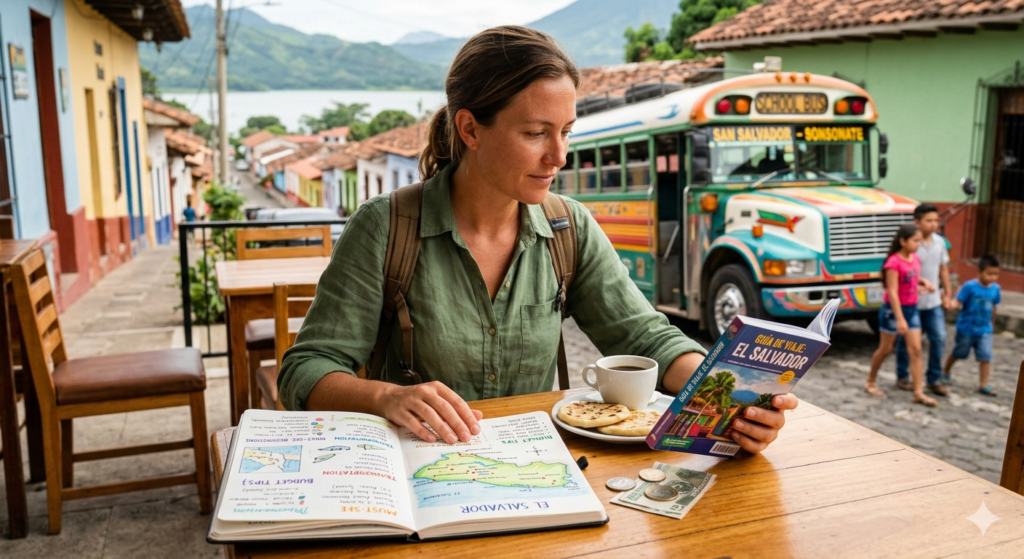
El Salvador may be the smallest country in mainland Central America, but it offers an impressive variety of experiences for travelers. In a relatively compact area, you can explore surf beaches on the Pacific coast, colorful small towns along the Ruta de las Flores, volcanic landscapes near Santa Ana, and important cultural sites such as Joya de Cerén, a UNESCO World Heritage Site. That mix of nature, culture, and accessibility makes El Salvador a strong option for travelers who want a dynamic trip without constantly spending long days in transit.
Why El Salvador is worth considering for your next trip
Many travelers still overlook El Salvador in favor of more established destinations in the region, but that is exactly part of its appeal. The country combines dramatic scenery, a growing surf scene, historic towns, and archaeological interest in a way that feels varied and rewarding. You can move from the coast to mountain viewpoints, coffee-growing regions, and colonial-style streets within a short timeframe, which makes trip planning easier and more efficient.
Another major advantage is that El Salvador works well for different travel styles. Some visitors focus on beaches and surfing, others build their route around volcano hikes, lakes, and scenic drives, while culture-focused travelers can add towns like Suchitoto and the UNESCO-listed Joya de Cerén to their itinerary.
Must-see destinations in El Salvador
1. El Tunco and the Surf Coast
If you want a relaxed coastal atmosphere, El Tunco is one of the best-known places to start. It is popular with surfers, backpackers, and travelers who want beach access, sunset views, and a social base on the Pacific coast. Nearby areas such as El Zonte also appeal to travelers looking for a quieter stay or a more laid-back surf vibe. The coast is one of El Salvador’s strongest travel assets, so it makes sense to include at least a few days by the ocean in your route.
2. Ruta de las Flores
The Ruta de las Flores is one of the most charming parts of the country. This scenic route connects attractive small towns known for local food, murals, markets, and a cooler mountain climate. It is a good choice for travelers who want a slower pace after spending time on the coast or in the capital. The area is often recommended for its combination of views, local culture, and easy day-to-day exploring.
3. Santa Ana and Cerro Verde
Santa Ana is often used as a base for exploring western El Salvador. From here, travelers can visit volcanic landscapes, hiking areas, and viewpoints around Cerro Verde and Lake Coatepeque. This part of the country is ideal if you want a more active trip with nature-focused excursions.
4. Suchitoto
Suchitoto offers a very different side of El Salvador. Instead of surf culture or hiking trails, you will find a more historic and artistic atmosphere, with cobbled streets, a peaceful town center, and a slower rhythm. It works especially well for travelers who want to mix cultural stops into a more adventure-heavy itinerary.
5. Joya de Cerén
For travelers interested in history, Joya de Cerén is one of the country’s most important sites. It adds real historical depth to an El Salvador itinerary and is one of the strongest arguments for going beyond beaches alone.
Accommodation options: from beach stays to mountain towns
One of the easiest ways to plan your trip is to divide your accommodation by region. A few nights on the Surf Coast, followed by a stay in the Ruta de las Flores or Santa Ana area, creates a nice balance between beach time, nature, and town life.
Budget travelers can usually look for hostels, guesthouses, and small local hotels, while mid-range travelers may prefer boutique stays, surf lodges, or private rentals. If you want more flexibility for a longer trip, it can be useful to browse local rental options before arrival. For example, travelers who want to stay longer or compare locations can explore listings to rent apartment or house in El Salvador and get a better sense of neighborhoods and day-to-day living options.
Getting around: transportation tips for traveling in El Salvador
Because El Salvador is compact, overland travel is often more manageable than first-time visitors expect. That said, your transport strategy will shape your experience.
For shorter trips, private transfers, shuttle services, or ride-hailing in urban areas can make things simpler, especially if you are carrying luggage or moving between beach and mountain regions. Renting a car gives you the most flexibility if you want to combine multiple destinations such as Suchitoto, Ruta de las Flores, Santa Ana, and the coast within one itinerary. Travelers who prefer to keep costs low can also use local buses, but they will need more patience and time. Since routes and comfort levels vary, it is smart to choose transport based on your schedule rather than price alone. The country’s compact geography is one of the reasons popular week-long itineraries can combine several very different regions.
Budgeting tips for a trip to El Salvador
Your budget will depend heavily on your travel style and where you stay. Surf towns and highly popular tourist areas can be more expensive than less-visited inland locations, especially if you choose boutique accommodation or private transfers. On the other hand, El Salvador can still work well for travelers who are careful with accommodation choices, local food, and transportation.
A practical approach is to divide your spending into four categories:
- accommodation
- transport
- food
- activities
If your goal is to travel comfortably without overspending, spend more on the regions that matter most to you. For example, some travelers prioritize a better stay on the coast and save money in inland towns, while others do the opposite and invest more in nature excursions or guided activities.
Cultural tips and practical considerations
As with any destination, a smoother trip usually comes from preparation and flexibility. It helps to keep your itinerary realistic, avoid trying to cover the whole country too quickly, and stay informed through current local guidance before moving between regions.
Culturally, El Salvador rewards travelers who slow down a bit. Spending time in smaller towns, trying local food, and talking to residents often turns a standard trip into a much more memorable one. And because the country combines coast, mountains, archaeology, and town life so effectively, you do not need an extremely long vacation to experience real variety.
Essential items to pack for El Salvador
Your packing list depends on the route you choose, but a few basics make sense for most trips:
- lightweight clothing for coastal heat
- comfortable walking shoes
- swimwear
- sun protection
- a light jacket for cooler mountain areas
- a daypack for transfers and excursions
If you plan to surf, hike, and move between regions, pack for variety rather than just beach weather.
Final thoughts
El Salvador is a destination that feels far more diverse than its size suggests. In one trip, you can experience surf beaches, scenic mountain towns, volcanic landscapes, and meaningful cultural sites without needing constant long-distance travel. For travelers who want a Central American trip that blends adventure, local character, and manageable logistics, El Salvador deserves serious consideration.